

 By
The United Kingdom property landscape currently faces a period of profound structural adjustment, marked by shifting regulatory frameworks and evolving fiscal policies. Recent legal developments have underscored the severe repercussions for those failing to adhere to licensing requirements, as evidenced by a substantial £21,680 fine issued to an unlicensed rental property owner in 2026.
This incident serves as a stark reminder of the complexities inherent in property management and the necessity of strict regulatory compliance. Whilst market sentiment fluctuates, the fundamental obligations placed upon landlords and property professionals remain constant and legally binding.
The Significance of Regulatory Compliance in Property Management
Legal accountability within the rental sector has intensified, with local authorities demonstrating an increased willingness to pursue enforcement action against non-compliant landlords. Failing to obtain the necessary licences not only risks significant financial penalties but can also lead to long-term reputational damage for those operating within the industry.
Property owners must recognise that local council requirements vary significantly across different boroughs. It could be worth conducting a thorough review of local council mandates to ensure all rental properties are correctly registered and meet current safety standards.
The recent court ruling serves as a cautionary tale regarding the dangers of overlooking administrative responsibilities. Homeowners may wish to prioritise legal due diligence to mitigate the risk of prosecution and protect their capital investments.
Transitioning from the legal rigours of property management to the broader market environment, it is equally important to consider how external valuations and industry rankings influence consumer behaviour. Whilst data sets provide valuable insights into market trends, they should be viewed as one component of a much larger analytical picture.
Interpreting Market Sentiment and Industry Accolades
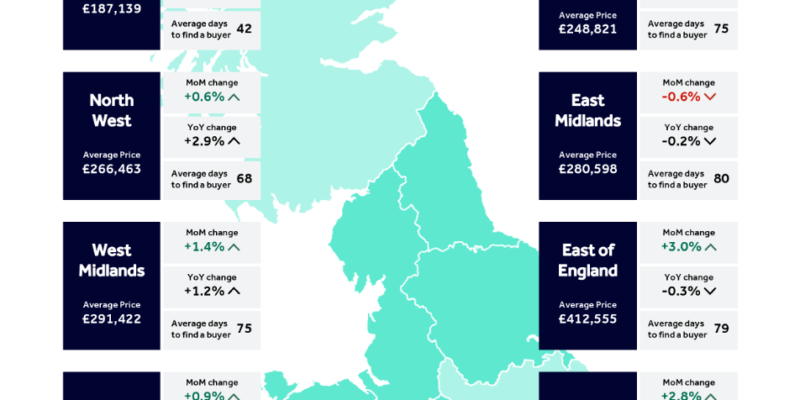
Rightmove’s recent ‘happy’ rankings have generated significant discussion among estate agents, who often view such metrics as a boost for local marketing efforts. However, industry bodies like Propertymark advise caution, suggesting that price performance and buyer sentiment are influenced by a multitude of interconnected factors.
Borrowers might consider that while positive sentiment can indicate a robust local economy, it does not guarantee future capital growth. Market conditions are subject to rapid change, and reliance on singular metrics can lead to skewed perceptions of property value.
Propertymark highlights that the true health of the housing market is measured by sustainable growth rather than fleeting popularity contests. It could be worth looking beyond top-line rankings to understand the underlying supply and demand dynamics that dictate regional price ceilings.
When navigating these market fluctuations, stakeholders must adopt a balanced approach to decision-making. The following steps outline how property professionals and investors might evaluate their position within the current climate.
1. Conducting Comprehensive Due Diligence
Before entering into any property transaction, a detailed assessment of the asset’s legal and financial status is essential. This involves verifying all existing planning permissions, structural certificates, and mandatory rental licences.
2. Evaluating Localised Market Data
Relying on national averages can be misleading, as property performance is inherently hyper-local. Property investors might consider analysing specific neighbourhood trends, such as local infrastructure developments, employment rates, and school catchment areas.
3. Monitoring Regulatory Shifts
Legislative changes can have an immediate impact on the profitability of a rental portfolio. Maintaining a relationship with professional bodies or legal counsel can help in staying ahead of new compliance mandates.
4. Assessing Financial Viability
With interest rates and fiscal policies remaining in flux, the cost of borrowing and the tax implications of property ownership require regular review. Borrowers might consider stress-testing their finances against potential shifts in the economic landscape to ensure long-term sustainability.
5. Prioritising Professional Guidance
Engaging with accredited estate agents and property managers who hold recognised industry qualifications can provide a layer of protection. These professionals are generally better equipped to navigate the complexities of property law and market volatility.
As the industry continues to evolve, the distinction between high-performing markets and those experiencing stagnation will likely become more pronounced. Homeowners may wish to focus on the long-term fundamentals of their properties rather than reacting to short-term market noise or annual ranking reports.
The balance between regulatory adherence and market savvy remains the cornerstone of successful property ownership. By staying informed and prioritising legal obligations, stakeholders can better navigate the structural adjustments currently reshaping the United Kingdom’s property sector.
Disclaimer: This article is for informational purposes only and does not constitute financial, legal, or investment advice. Market data, regulations, and fiscal policies are subject to change, and individuals should seek independent professional advice before making any property-related decisions.

Young content writer and SEO specialist from Bandar Lampung. Graduate in Communication Studies from the University of Bandar Lampung, focused on delivering content about buy-now-pay-later services, financial tips, and money-making opportunities relevant to Gen Z and millennials.

Comments