

 By
The United Kingdom rental sector is currently navigating a period of significant volatility, driven by a convergence of fiscal policy adjustments and heightened regulatory pressure. Recent budgetary announcements have sent ripples through the property market, prompting a re-evaluation of long-term investment strategies among landlords.
Many property owners are now facing the reality of increased tax burdens, which is influencing decisions regarding rental pricing and future asset retention. Whilst the sector remains a cornerstone of the housing market, the current climate is forcing a shift in how buy-to-let portfolios are managed across the country.
The Impact of Fiscal Policy on Rental Yields
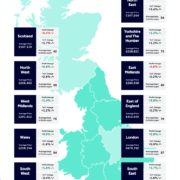
Recent tax changes have directly impacted the profitability of rental properties, leading to a noticeable trend of rising monthly costs for tenants. Landlords are increasingly passing on the additional overheads associated with higher stamp duty rates and adjustments to capital gains tax.
For many investors, the mathematical feasibility of maintaining a rental portfolio has altered significantly. As margins compress, rental price hikes appear to be the primary mechanism for offsetting these new fiscal obligations.
This shift in pricing strategy is not merely a reaction to tax; it is also a response to the rising costs of property maintenance and energy efficiency compliance. As the regulatory landscape becomes more demanding, the baseline cost of operating a rental unit continues to climb.
It is worth noting that these pressures are contributing to a cooling effect on market expansion. Potential investors might consider the current environment less conducive to entry, whilst established landlords are performing rigorous audits of their existing holdings.
Transitioning from these broader market pressures, it is helpful to examine the specific motivations driving the upcoming wave of property disposals. The following section outlines the factors influencing the decision-making process for those considering an exit from the sector by 2026.
Drivers Behind the Anticipated 2026 Sell-Off
Data indicates that approximately half of property owners are currently contemplating the sale of their assets within the next two years. This trend reflects a widespread desire to mitigate risk in an increasingly complex fiscal landscape.
Market analysts observe that the erosion of tax relief on mortgage interest remains a primary catalyst for this sentiment. When combined with the latest budgetary measures, the long-term outlook for net rental income appears less attractive for many private landlords.
1. Assessing the Tax Burden
Homeowners may wish to conduct a thorough review of the total tax liability associated with their rental income. Calculating the impact of the current capital gains tax regime can provide clarity on whether exiting the market now is more advantageous than waiting.
2. Evaluating Regulatory Compliance Costs
The cost of bringing older properties up to modern energy efficiency standards continues to rise. Borrowers might consider the total capital expenditure required for future-proofing their assets against potential environmental legislation.
3. Diversification of Investment Portfolios
Many property owners are choosing to diversify into other asset classes that offer more favourable tax treatment. Moving capital into different investment vehicles could be worth exploring for those looking to protect their wealth from sector-specific volatility.
4. Reviewing Portfolio Liquidity
With interest rates remaining higher than the historical lows seen in previous decades, liquidity has become a major concern. Investors might consider whether the current valuation of their property justifies holding the asset or if capitalising on the current market is a more prudent move.
5. Future Planning and Exit Strategies
Planning for a 2026 exit requires careful coordination with tax advisors and property experts. It could be worth mapping out a timeline that considers both market conditions and individual financial objectives to ensure a smooth transition.
The decision to divest is rarely straightforward, as it requires balancing immediate financial pressures against the potential for future capital appreciation. Whilst some owners may choose to hold firm, the consensus suggests that the next few years will see a substantial restructuring of private rental ownership.
This restructuring is expected to alter the supply of rental stock, potentially impacting the availability of housing in key urban areas. As the sector evolves, both landlords and tenants will need to adjust to a new equilibrium defined by fiscal realism and changing property ownership patterns.
Observers should keep in mind that the rental market is highly sensitive to external economic factors, including inflation rates and wider housing supply constraints. Should interest rates begin to stabilise or decrease, the pressure to sell may alleviate for some, though the underlying tax concerns are likely to persist.
Investors and homeowners are encouraged to monitor future government announcements, as fiscal policy remains subject to change. It is essential to consult with qualified financial professionals before making significant changes to investment strategies, as individual circumstances vary greatly.
Disclaimer: The information provided in this article is for educational and informational purposes only and does not constitute financial, legal, or investment advice. Market conditions, tax legislation, and fiscal policies are subject to change, and any decisions regarding property investment should be based on independent research and professional consultation tailored to specific personal financial situations.

Senior financial practitioner with over 25 years' experience in banking and MSME consultancy in Lampung. Currently serving as Deputy Editor-in-Chief, delivering banking, business economics, and financial literacy content that is warm, accurate, and accessible to all.
Judul Pekerjaan: Deputy Editor-in-Chief & Senior Financial Literacy Writer

Comments